Built by someone who lives the reality of care.
Client Kare was born from personal experience — not simply from an idea. Our founder’s journey with quadriplegia and relying on caregivers gave them a firsthand understanding of the challenges clients and caregivers face every day.
That experience became the foundation for Client Kare: technology designed with real caregiving experiences at its heart.
Your Care. Your Voice. Your Choice.
A Founder’s Story of Resilience, Choice, and Empowerment
From Losing My Independence to Creating Client Kare
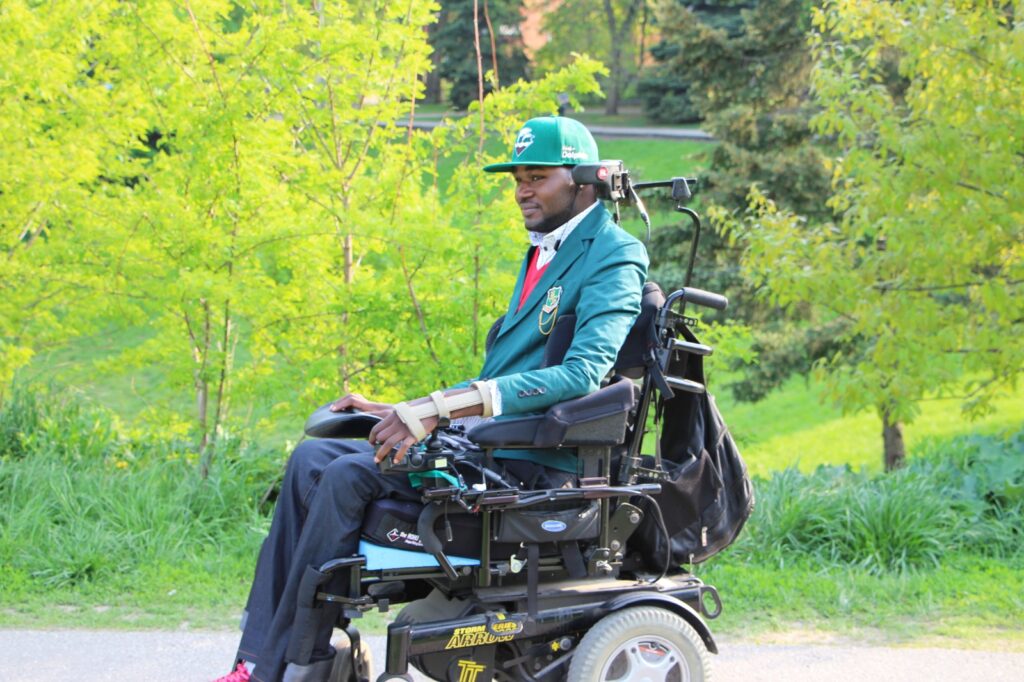
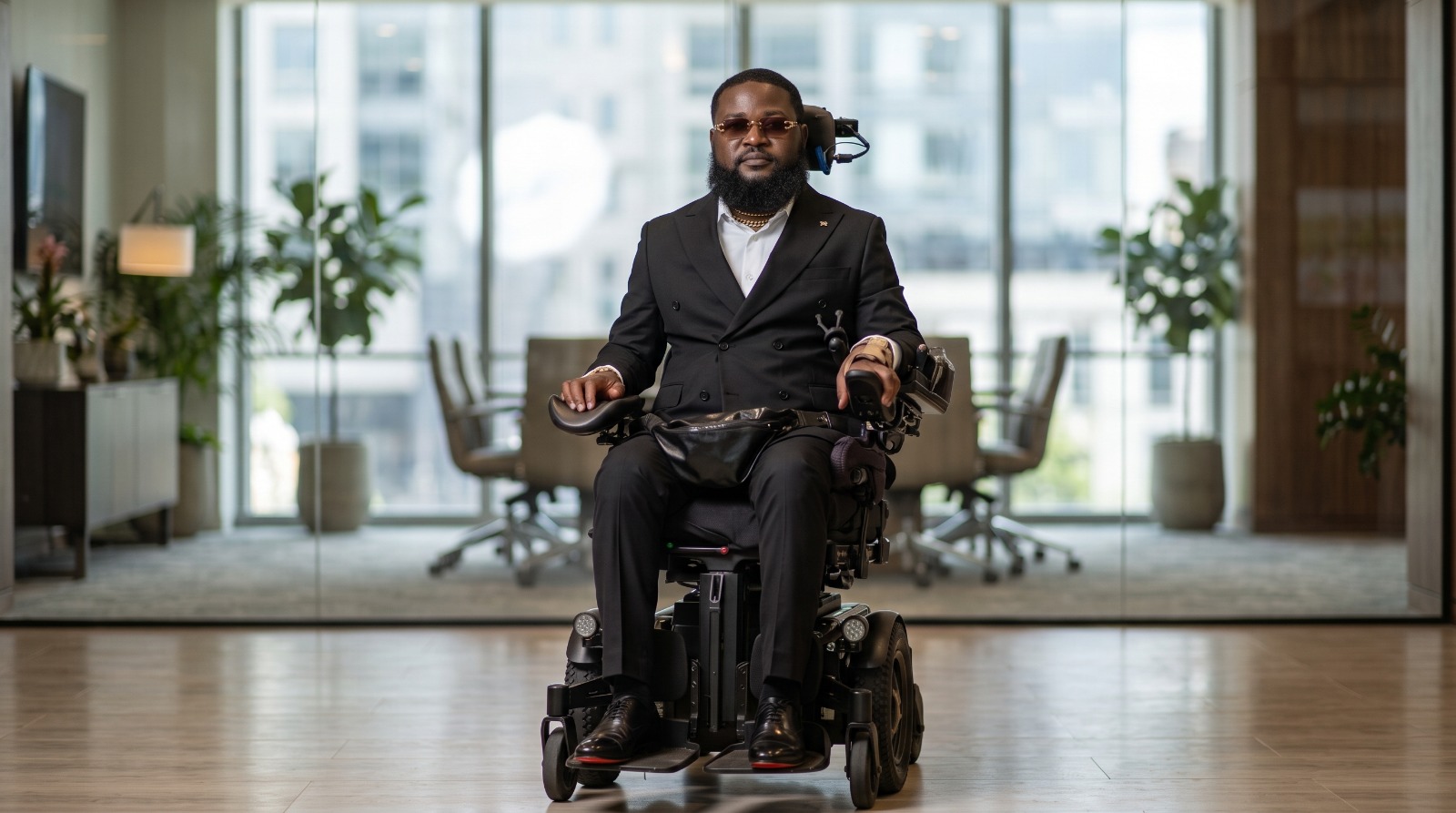
My name is Benjamin Kwarteng, and I am the founder of Client Kare App.
My journey to creating Client Kare began long before the app was ever imagined. It began with a childhood dream, a love for sports, and a life-changing experience that forced me to see the world—and my own life—in an entirely different way.
— Founder

When I was 12 years old, I came to Canada with my sister from Ghana. Like many young people starting a new life in a different country, I had dreams, ambitions, and a future I looked forward to building. I was a young athlete who loved playing basketball. I enjoyed being active, being independent, and having the freedom to make my own choices.
For more than 11 years, Canada was my home. During that time, I had not returned to Ghana. Then, in 2008, everything changed.
My sister and I received heartbreaking news, and we had to travel back to Ghana after learning that we had lost a loved one. We had the responsibility of returning home for the funeral and the burial.
Less than 24 hours after arriving, we had to return back to the airport to collect our delayed luggage, we took a taxi. As the vehicle crossed a bridge, the driver lost control, and the taxi went over the bridge came crashing do on my side.
I survived the accident, but I would never live the same life again.
I woke up in France a week later.
I had no clear understanding of everything that had happened. I was far from home, recovering from a devastating accident, and facing a future I could not have imagined. After multiple surgeries and a long and difficult recovery, I was left paralyzed from the neck down. I had become a quadriplegic.
The young man who once loved playing basketball now had to learn how to live in a body that could no longer move the way it once did.
“I survived the accident, but I would never live the same life again.”
The transition to life with quadriplegia was not easy. In fact, some days felt harder than the ones before.
Things that most people do without thinking—getting out of bed, getting dressed, preparing a meal, using a phone, or simply deciding to go somewhere—became challenges I could no longer manage on my own.
I had to adjust to a new reality. I had to learn how to ask for help, how to communicate my needs, and how to rebuild a sense of independence in a world that suddenly required so much assistance.
After returning to Canada and continuing my rehabilitation, I began to understand that my life was not over. It was different. I still had dreams. I still had goals. I still wanted to learn, grow, experience life, and contribute something meaningful to the world.
I would need personal support and caregiving assistance for many aspects of my daily life.
The Reality of Depending on Caregivers
Daily activities that form the foundation of life and require constant, dedicated coordination.
Getting in and out of bed
Dressing
Preparing meals
Taking medication
Personal care
I am grateful for the people who have supported me throughout my journey. Over the years, I have had the opportunity to receive care from many different caregivers, and I have experienced both the positive impact of compassionate, dependable support and the challenges that arise when care does not meet a person’s needs.
“Care is not just a service. Care is connected to freedom, opportunity, confidence, and the ability to live life on your own terms.”
Critical Inquiries
“Why should accessing care be so difficult?”
“Why should people who need support have so few choices about who provides that care, where it happens, and when it is available?”
“Why should leaving home mean having to start the search for care all over again?” freedom, opportunity, confidence, and the ability to live life on your own terms.”
THE BOUNDARIES WE FACE
When Care Stops at the Door
Going Out
If I wanted to go out, I often needed to find a caregiver separately to accompany me.
Returning to School
If I wanted to return to school, I had to think about how I would manage my personal care and whether I could find someone available and reliable to support me.
Travelling
If I wanted to travel, even planning the trip could become overwhelming. Finding a qualified and dependable caregiver who could accompany me was another challenge.
Everyday Life
Even the smaller parts of life—going to a doctor’s appointment...
Foundational Vision
The Idea Behind Client Kare
Client Kare was born from these experiences.
I created Client Kare because I believe that people who need care should have a stronger voice in the services they receive.
Too often, clients are expected to adapt to a system that may not fully understand their schedules, preferences, routines, or personal needs. I wanted to help create a more flexible and accessible approach—one that recognizes the person receiving care as an active participant in the process.
Client Kare is designed to help bridge the gap between people who need daily care and dedicated caregivers who are ready to provide support.
More Choice. More Voice.
Five essential principles driving human autonomy and care sovereignty.
Who provides their care
Helping clients find caregivers who match their needs, preferences, qualifications, and availability.
Where care takes place
Supporting care needs at home and in other settings, such as work, school, rehabilitation, appointments, and travel.
When care is needed
Making it easier to arrange services around a client’s schedule and changing needs.
How clients communicate
Encouraging clear communication between clients and caregivers throughout the care experience.
How clients participate
Helping people have a greater say in their care arrangements instead of feeling like care decisions are made entirely for them.
“Care is not just a service. Care is connected to freedom, opportunity, confidence, and the ability to live life on your own terms.”
Shared Human Aspiration
Building Something Bigger Than Myself
We want to live.
We want to go to school. We want to work. We want to travel. We want to attend family gatherings, explore new places, build businesses, and participate in our communities.
Our Mission
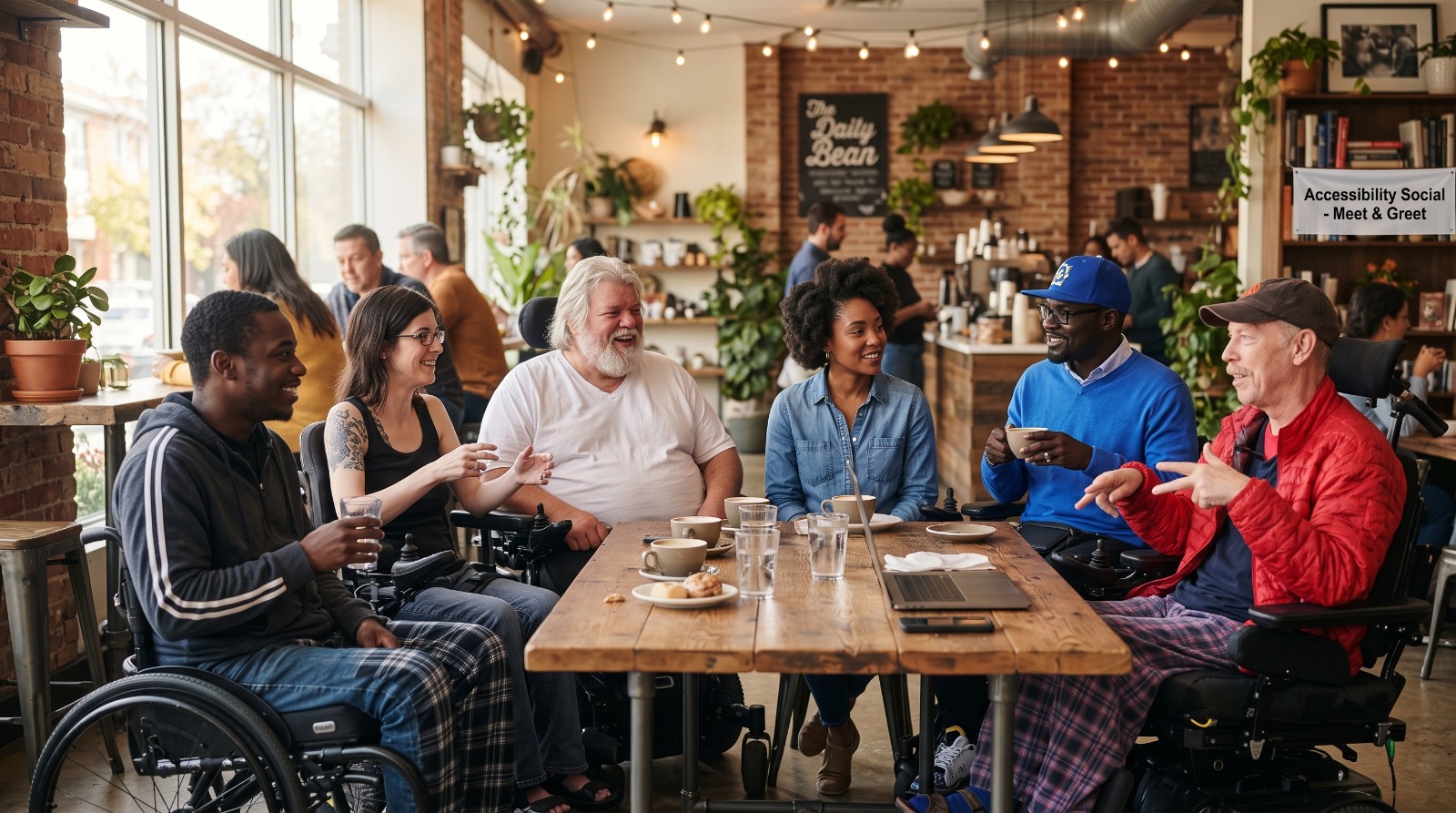
At Client Kare, our mission is to help create a more accessible, flexible, and client-centered care experience.
We want to support people with disabilities and others who need personal support by connecting them with dedicated caregivers and making care arrangements easier to navigate.
We want caregivers to have meaningful opportunities to provide services, and we want clients to feel that their needs, preferences, and voices matter.
Most importantly, we want to help people pursue the lives they envision for themselves.
Your Care. Your Voice. Your
Choice.
Built by someone who understands care from the inside.